
Most roofing companies think they lose jobs because of price.
Sometimes that’s true.
But often, the real reason is simpler: the estimate wasn’t clear enough, consistent enough, or professional enough to give the customer confidence. In roofing, the estimate is more than a number. It’s the first real proof that your company understands the building, the problem, the risk, and the solution. If your estimate looks rushed, vague, or difficult to understand, the customer starts asking questions before you ever get the chance to explain yourself. And once doubt enters the conversation, the job becomes harder to win.
The Problem With “Good Enough” Estimates
Many roofing companies still build estimates using a mix of field notes, photos, spreadsheets, emails, handwritten measurements, and old proposal templates. It works—until it doesn’t. The issue is not always accuracy alone. It’s inconsistency. One estimator prices repairs one way. Another uses a different method. One proposal includes detailed photos and descriptions. Another gives the customer a basic line item and a total. One service manager remembers to include follow-up recommendations. Another is too busy putting out fires. This creates a bigger problem than most owners realize: the customer experience changes depending on who touched the estimate. That is dangerous.
If your estimating process depends too heavily on individual habits instead of a repeatable system, your company will eventually feel it in lost jobs, missed margin, slow follow-up, and frustrated customers.
Customers Don’t Just Buy the Repair. They Buy Confidence.
When a property manager, facility manager, or building owner receives a roofing estimate, they are not only asking, “How much will this cost?”
They are also asking:
- Does this contractor understand the problem?
- Can I trust this recommendation?
- Will this create issues later?
- Can I send this to ownership or the board?
- Is this company organized enough to handle the work?
A professional estimate should answer those questions before the customer has to ask them. That means your estimate needs to show the condition, explain the deficiency, outline the recommended repair, and present the cost in a way that makes sense. Photos, descriptions, priorities, and clear scopes all matter. The contractor who gives the customer the clearest path forward often has the advantage—even if they are not the cheapest.
Bad Estimates Create Internal Problems Too
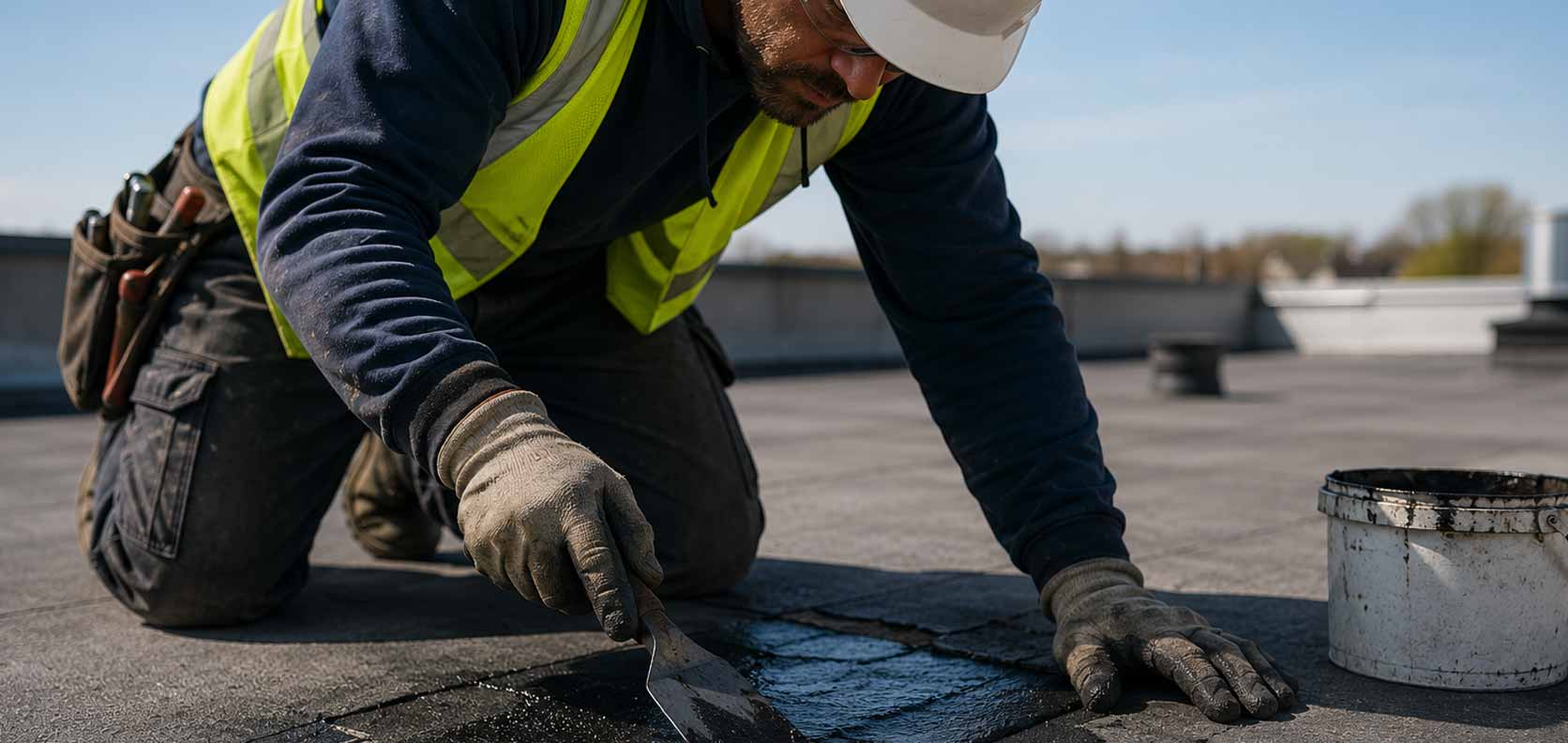
Poor estimating does not only hurt the sales process. It also creates problems after the job is sold. If the field information is incomplete, production has to guess. If the scope is vague, the crew may miss something. If pricing was built quickly without proper cost structure, the job may look profitable on paper but disappoint when labor, materials, and return trips are factored in. That is where service divisions lose money.
A repair that should have been simple becomes chaotic. A maintenance opportunity gets buried. A customer who should have been impressed ends up confused. The estimate sets the tone for the entire job.
The Better Way: Start With a Better Survey
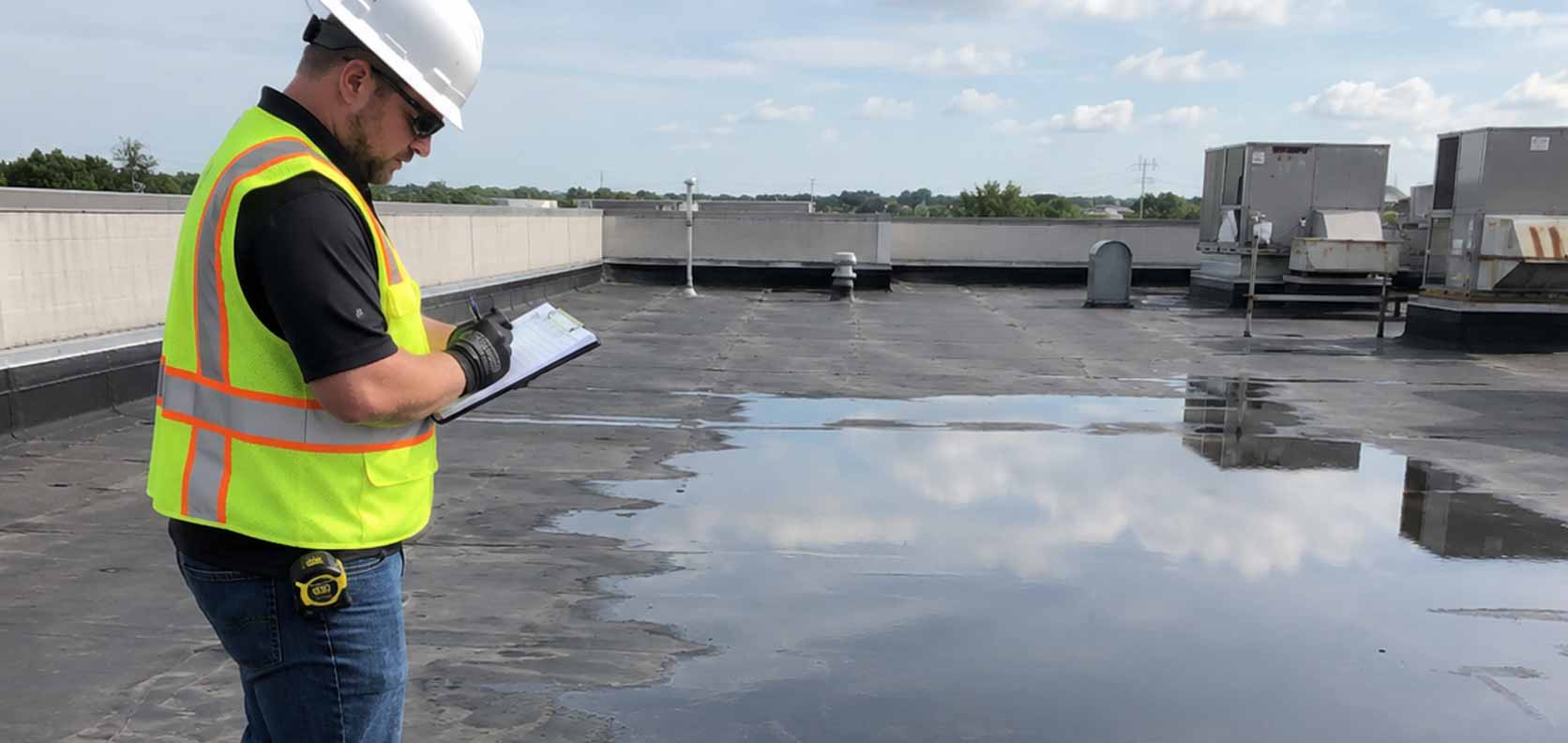
Strong roofing estimates begin with strong surveys. A good survey captures the condition of the roof, the affected areas, the deficiencies, the urgency, the recommended action, and the cost structure. It creates a foundation for the proposal, the work order, the report, and the internal job costing. When the survey is built correctly, everything downstream becomes easier.
- The proposal is clearer.
- The production team is better prepared.
- The customer understands the value.
- The company has better data.
- The service division becomes easier to manage.
This is why roofing companies that want to take repairs, service, and maintenance seriously need a system—not just a spreadsheet.
Your Estimate Is Part of Your Brand
A roofing estimate is not just an operational document. It is a reflection of your company. If it looks professional, detailed, and organized, your company looks professional, detailed, and organized. If it looks rushed, confusing, or inconsistent, the customer assumes the same about your work. That may not be fair, but it is reality.
The companies that win more profitable service work are often the ones that make it easiest for customers to say yes. They provide clear documentation, consistent pricing, strong visuals, and recommendations that are easy to approve.
Stop Letting Estimates Leak Profit
If your roofing company is serious about growing repairs, service, and maintenance, your estimating process needs to grow with you. You need a repeatable way to survey, price, propose, schedule, report, and track performance. Without that structure, service work becomes harder to manage and harder to scale. Winning Bid was built for roofing businesses that want to bring structure, consistency, and professionalism to their service division.
Because the best estimate does not just give a price. It builds confidence. And confidence wins jobs.